December 18, 2025 · 8 min read
The hidden cost of 86'd items: what stockouts really do to your margin
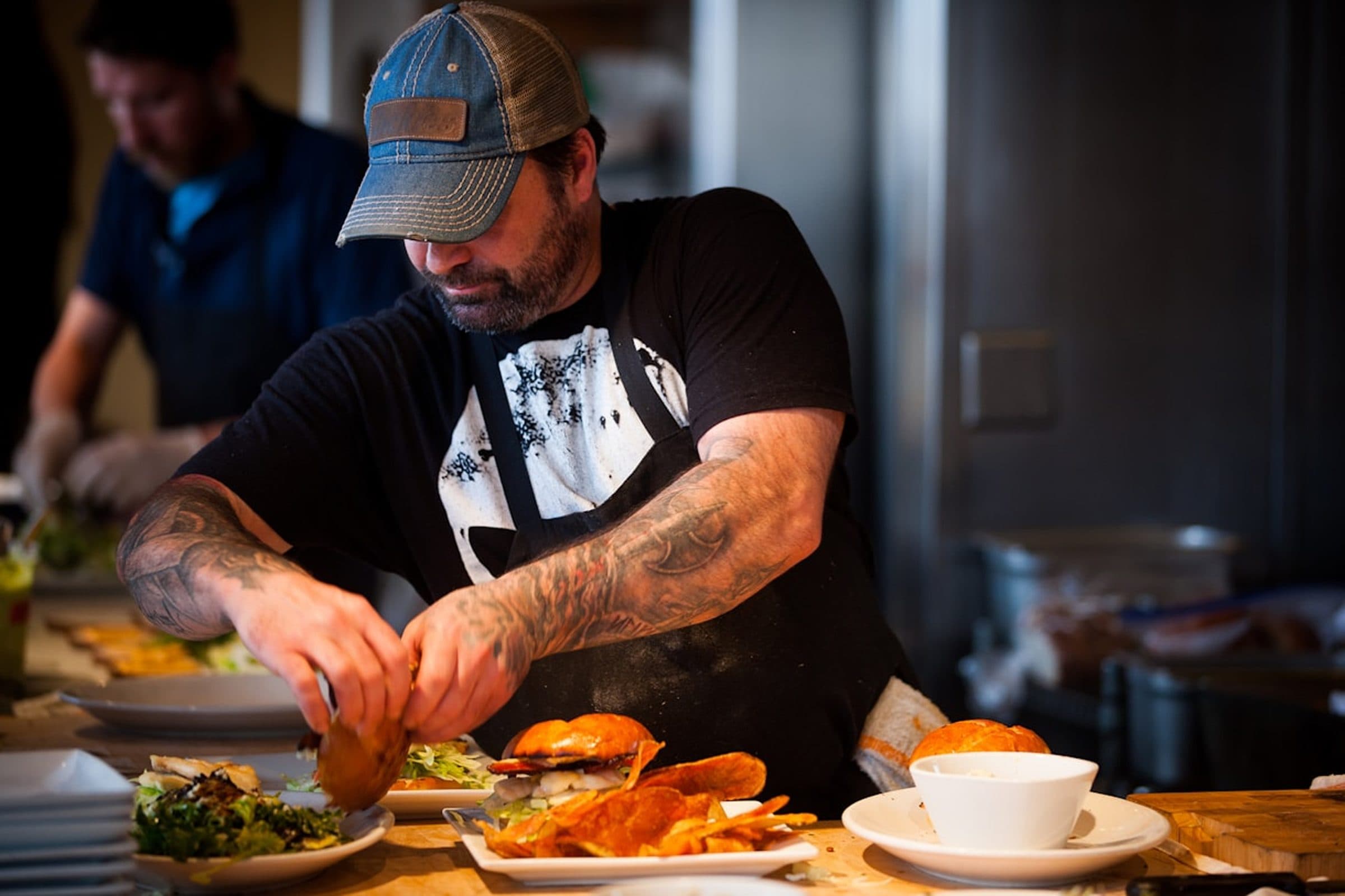
Every restaurant treats an 86 the same way: cross it off the board, tell the servers, move on. The dish is gone for the night, the loss feels contained, and everyone gets back to service. But the real cost of a stockout rarely shows up in the till that night. It shows up two weeks later, in a P&L line nobody connects back to the missing dish.
It's never just one lost sale
When a guest's first choice is unavailable, they don't simply order the next-best dish on your list, they order whatever the server happens to suggest in the moment, under time pressure, without the menu's careful margin math behind it. That substitution is where the second cost lives.
Three costs restaurants don't track
- The substitute sale, which is frequently a lower-margin dish than the one that ran out.
- The guest who came in specifically for a dish they'd had before, didn't get it, and quietly doesn't come back.
- The staff time spent apologizing table-side and re-explaining the menu, multiplied across every table that ordered the missing dish.
A stockout isn't a missing ingredient. It's a missing decision about ordering, three days too late.
Fixing it starts with visibility
Most 86s are predictable days in advance if inventory and the menu are actually talking to each other; the ingredient draws down at a known rate, and a dish quietly becomes at-risk before it becomes unavailable. That's the gap Palyt's inventory tools are built to close: surfacing what's about to run out while there's still time to reorder, substitute, or feature something else instead.